
Fine Art vs. Fantasy Art: Two Mirrors of the Human Spirit
- Nov 18, 2025
- 2 min read
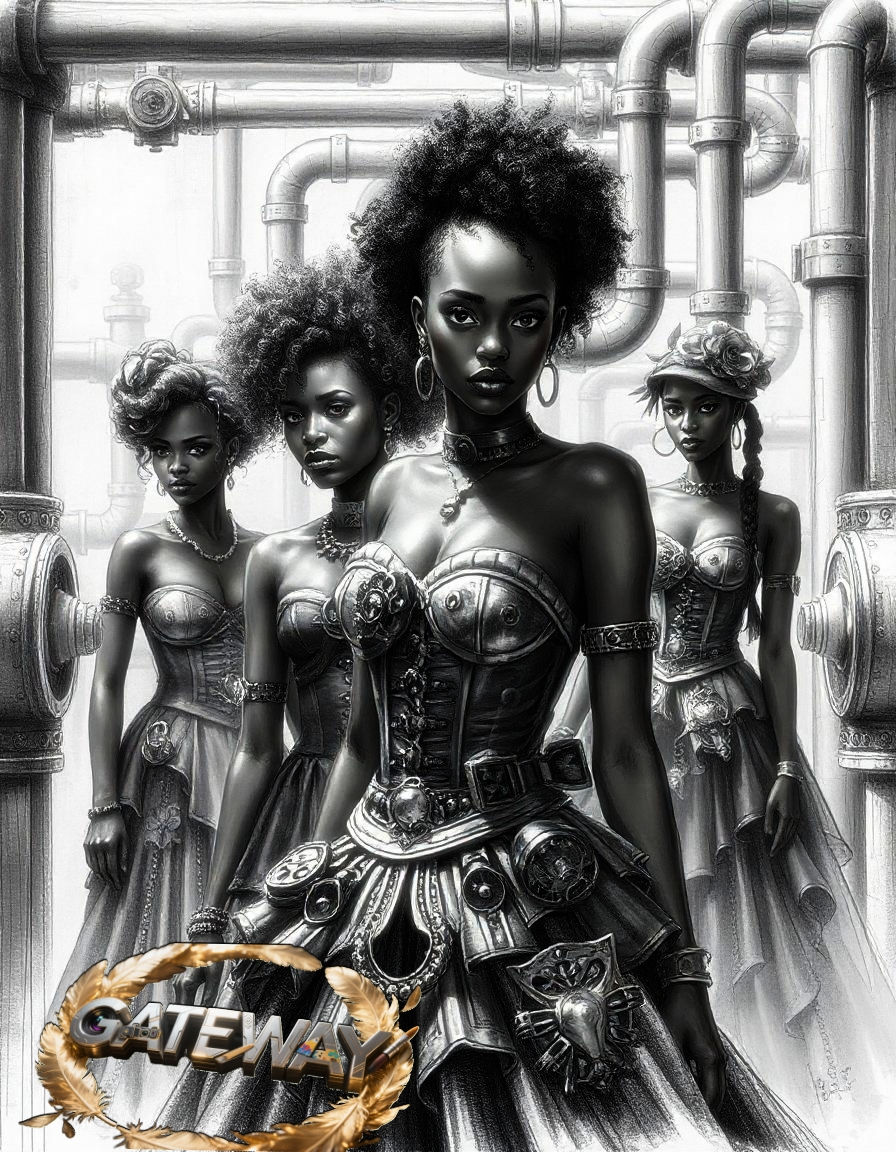
Fine art and fantasy art both originate from creativity and imagination, aiming to convey something beyond the ordinary. However, they differ in purpose, tradition, and cultural perception. Fine art is typically identified by its role within established artistic traditions such as painting, sculpture, and drawing, which are historically linked to museums, galleries, and academic study. It focuses on aesthetics, form, and exploring human experience in subtle, symbolic, or abstract ways. In contrast, fantasy art is centered on storytelling and imaginative creation, thriving on the development of worlds, characters, and mythologies that, while not real, resonate emotionally. While fine art seeks to elevate everyday life into something transcendent, fantasy art creates entirely new realities.

A key difference lies in audience and context. Fine art is traditionally situated within cultural institutions and often seen as a pursuit of beauty, truth, or philosophical inquiry. It is evaluated by critics, historians, and curators who place works within movements like Impressionism, Cubism, or Abstract Expressionism. Fantasy art, however, is more aligned with popular culture, literature, and entertainment, thriving in book covers, video games, films, and graphic novels. Its audience extends beyond gallery visitors to include fans, readers, and players who interact with the art as part of a broader narrative experience. This doesn't lessen its value; instead, it underscores how fantasy art democratizes imagination, making mythical visions accessible to a wide audience.
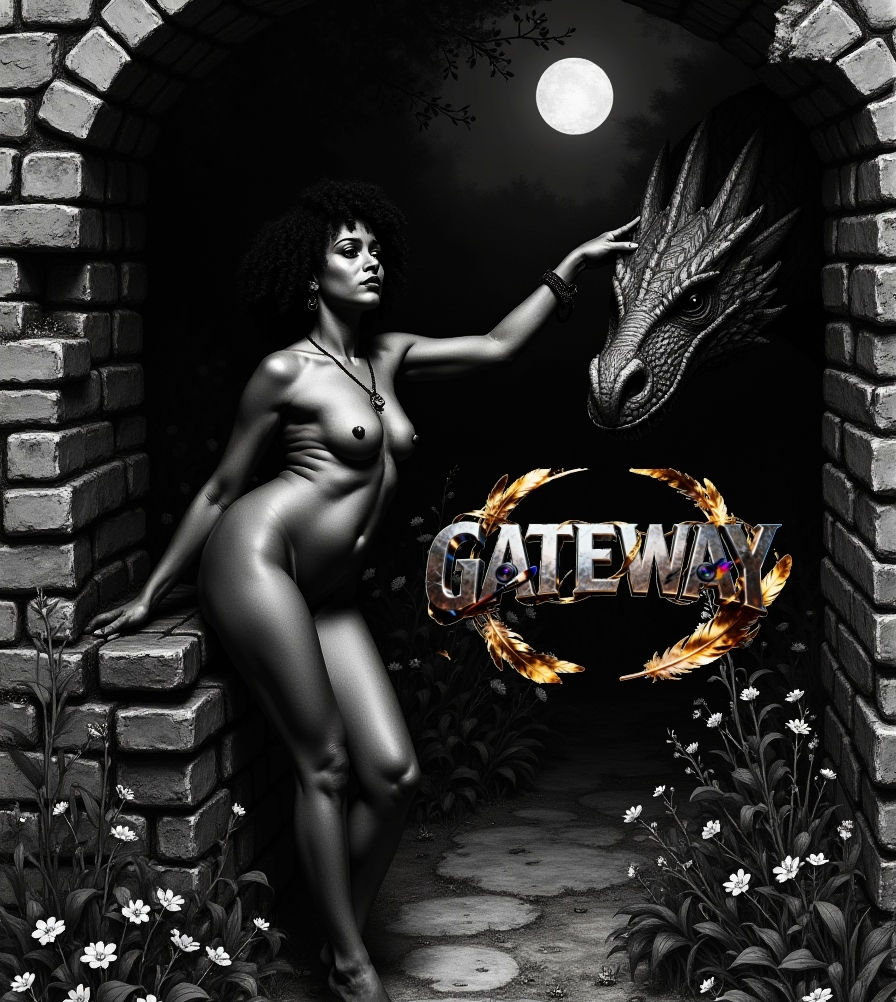
Another distinction is their relationship to realism. Fine art often grapples with representation—whether to depict the world accurately, distort it, or abstract it entirely. Fantasy art, however, embraces the unreal as its foundation. Dragons, enchanted beings, and futuristic landscapes are genre staples. Yet, fantasy art isn't merely escapist; it often uses the unreal to reflect genuine human emotions, struggles, and desires. A painting of a knight confronting a monstrous creature might symbolize bravery against adversity, just as a fine art portrait might capture the quiet dignity of its subject. Both forms serve as mirrors, reflecting different aspects of human experience.
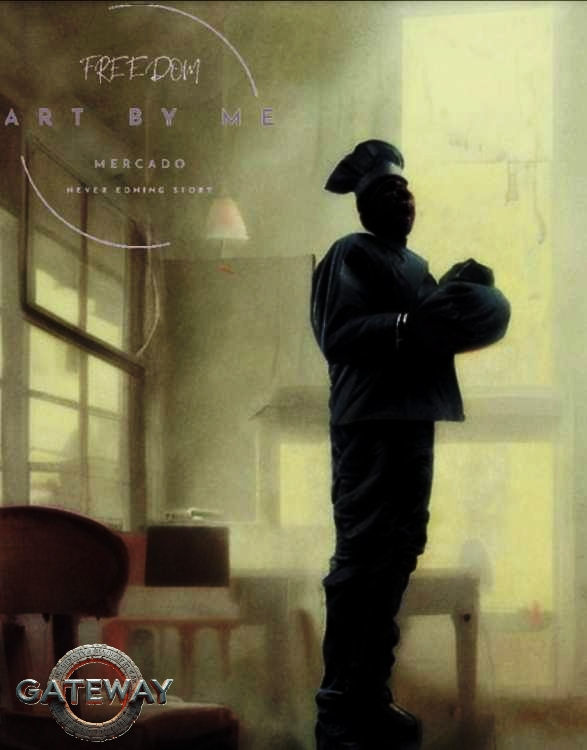
The boundary between fine art and fantasy art is not rigid. Many contemporary artists blur this line, incorporating fantastical elements into gallery spaces or elevating fantasy illustration to fine art status. Surrealism, for instance, is a fine art movement that shares much with fantasy art, conjuring dreamlike imagery beyond rational explanation. Similarly, fantasy artists often use fine art techniques—such as mastery of composition, color theory, and anatomy—to lend credibility and depth to their imagined worlds. Thus, the two traditions are not opposites but complementary approaches to creativity.

The distinction between fine art and fantasy art is more about intention than technique. Fine art aims to interpret and elevate reality, whereas fantasy art strives to invent and broaden it. Both encourage us to see in new ways: fine art prompts us to delve deeper into our own world, while fantasy art invites us to explore worlds of imagination. Together, they remind us that art is not limited to a single definition but encompasses a wide range of human expression, from the tangible to the mythical, and from the everyday to the extraordinary.


Very cool